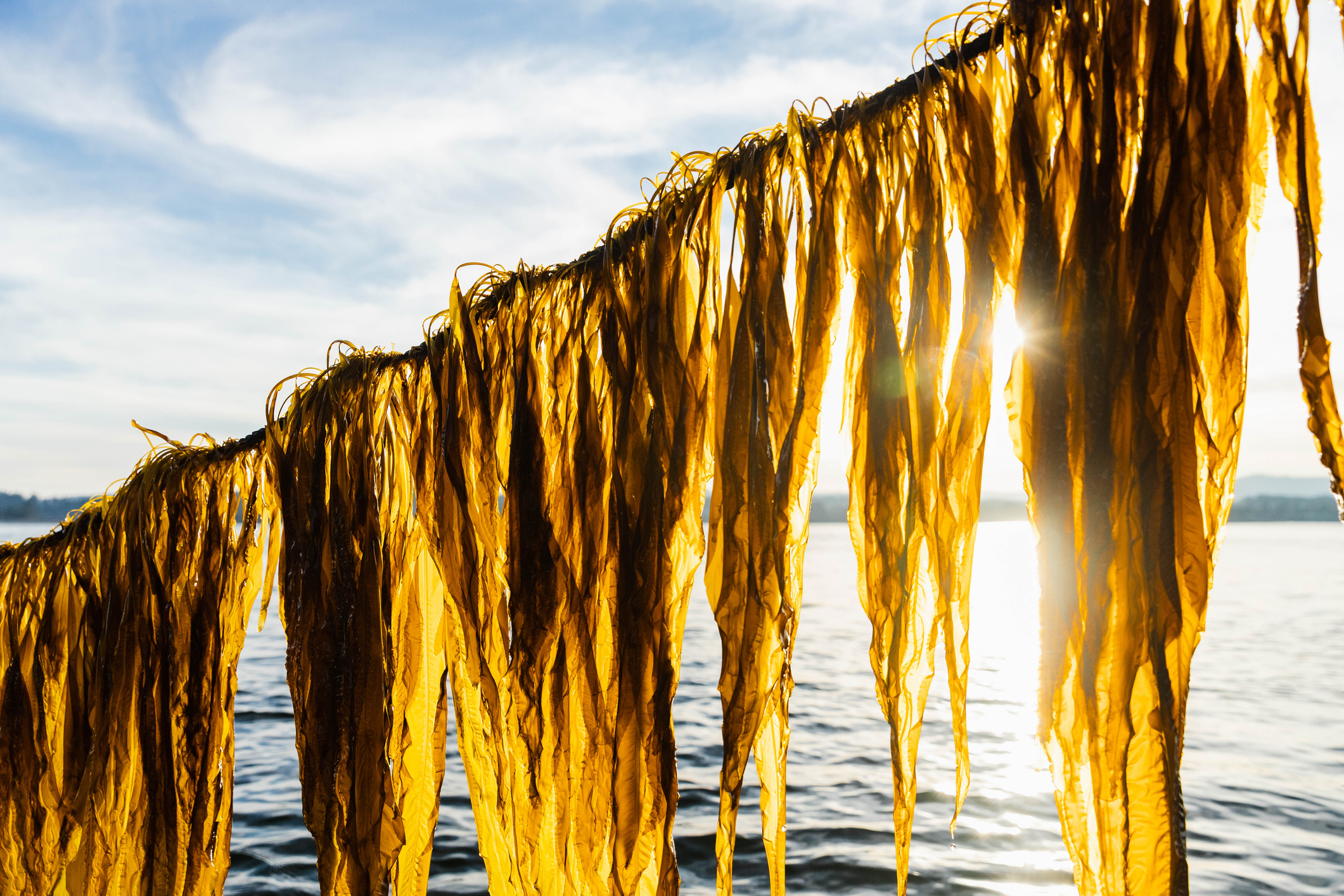
This Alliance explores the capability and uptake of Earth Observation enhanced fit-for-purpose MRV systems for marine Carbon Dioxide Removal (mCDR). Together, the MAR-CO2, OAeSIS (Horizon Europe) and a new ESA funded activity will assess existing and develop novel mCDR methodologies and explore how EO can help to monitor, inspect, document and verify mCDR techniques such as iron fertilization, ocean alkalinity enhancement, and micro/ macro-algae cultivation.
Consortia are soon invited to hand in proposals for the ESA call for tender. The alliance’s formal kick-off is planned with the kick-off of the ESA funded projects, a first meeting to discuss and refine modalities of cooperation as well as propose joint deliverables (such as joint publications, data management plants, datasets, policy briefs) is foreseen. Consecutive meetings during Horizon Europe Annual Meetings, workshops and conferences are encouraged.
Collaborative outputs will be jointly defined between projects and may include, but are not limited to:
- Aligning monitoring campaigns, datasets, scenarios and model assumptions;
- Facilitating access to and uptake of satellite products and related methodologies through data sharing agreements and open science practices;
- Defining joint monitoring protocols, working towards defining community standards or aligning geographic scope;
- Coordinating data-management and open science approaches;
- Developing shared outputs such as jointly defined datasets, open tools, joint publications, community standards, assessment contributions and policy briefs;
- Joint communication activities;
- Training and capacity building activities, exchange of staff and/or young researchers.
Collaboration is expected to evolve with the scientific needs of the participating projects. Further exchanges during Horizon Europe Annual Meetings, relevant scientific workshops and conferences will be encouraged, to provide opportunities to identify additional cooperation based on the evolving needs and added value for participating projects.