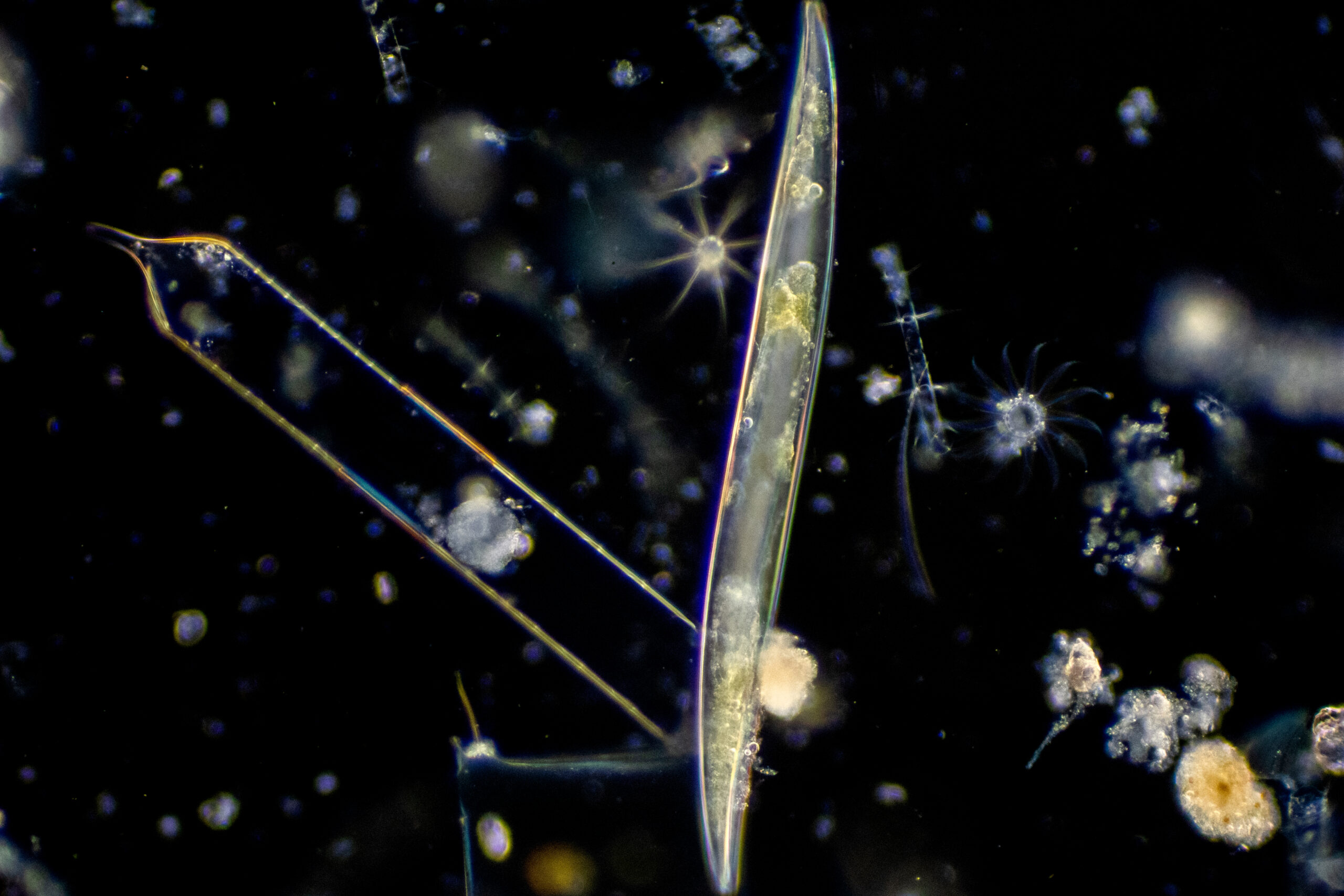
Phytoplankton are fundamental to marine ecosystems and the global carbon cycle, supporting marine food webs and accounting for a substantial share of global primary production. Yet conventional ocean-colour observations, particularly chlorophyll-a, mainly describe phytoplankton biomass and provide limited information on the diversity and functional characteristics of the communities producing it. New hyperspectral observations offer an opportunity to move beyond biomass and investigate changes in phytoplankton community composition and functional diversity.
The ESA Phytodiverse activity is developing approaches to derive phytoplankton diversity Essential Biodiversity Variables (EBVs) from Earth Observation, combining Sentinel-2 and Sentinel-3 observations with the new hyperspectral capabilities of NASA’s PACE mission, in preparation of future ESA CHIME mission. Its work is complemented by EC projects providing in-situ observations, biological and genomic information, ecological models and regional expertise. Together, these resources are expected to support the development and assessment of more informative indicators of phytoplankton biodiversity and ecosystem function such as timing of the blooms of different phytoplankton groups.
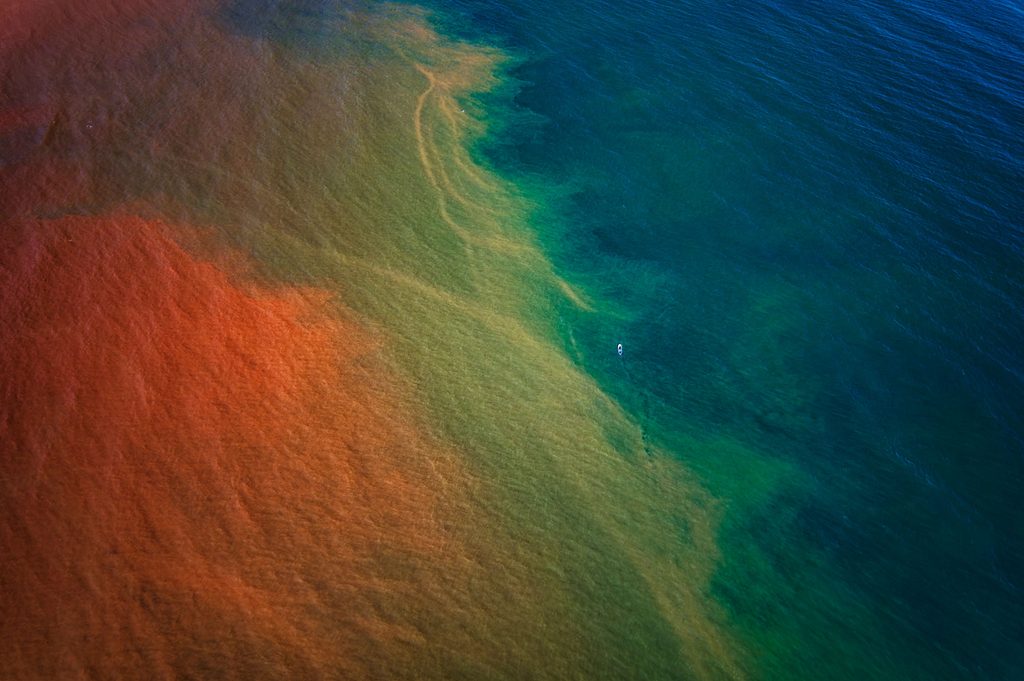
Three science cases provide a framework for this collaboration. In the North-East Atlantic, Phytodiverse is comparing satellite-derived diversity products with information from GES4SEAS, ACTNOW and Mission Atlantic, including ecosystem indicators, phenology and species-distribution modelling. In the Northern Adriatic, comparisons with 4DMED-Sea, PETRI-MED, MARCO-BOLO, LandSeaLot and FOCCUS are combining satellite observations with genomic, imaging, hydrodynamic and biogeochemical information to investigate phytoplankton diversity, connectivity and bloom dynamics. In the Arctic west of Svalbard, regional in-situ observations and phytoplankton functional-type algorithms developed through SEAQuester and BioEcoOcean support the assessment and refinement of satellite-based products.
The expected results include improved methods for detecting phytoplankton community composition and diversity from satellite observations, better understanding of their spatial and temporal variability, and more robust assessment of uncertainty through comparisons with in-situ and modelled data. The integration of complementary biological and Earth Observation datasets is also expected to help connect changes in phytoplankton communities with ecosystem processes such as phenology, productivity and carbon cycling. Ultimately, Phytodiverse is expected to raise the profile of satellite derived Earth Observations as tools to provide standardized, large scale indicators of marine biodiversity to support global monitoring of Ocean Health.