Understanding extreme events and climate adaptation
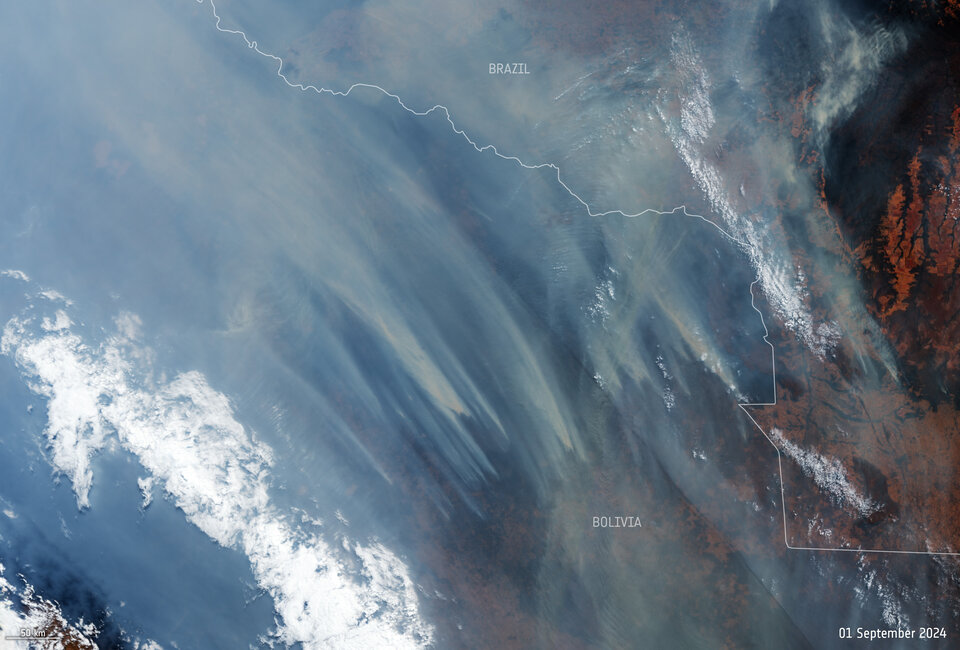
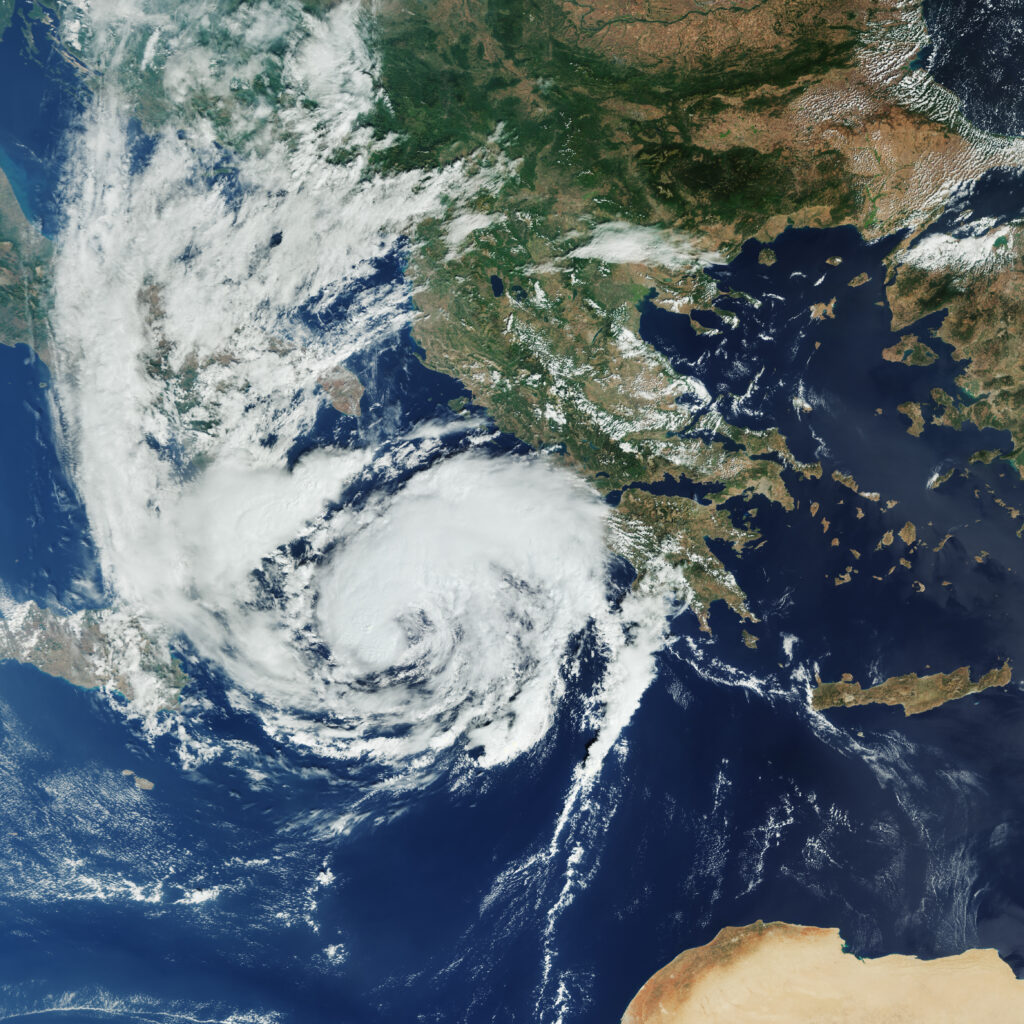
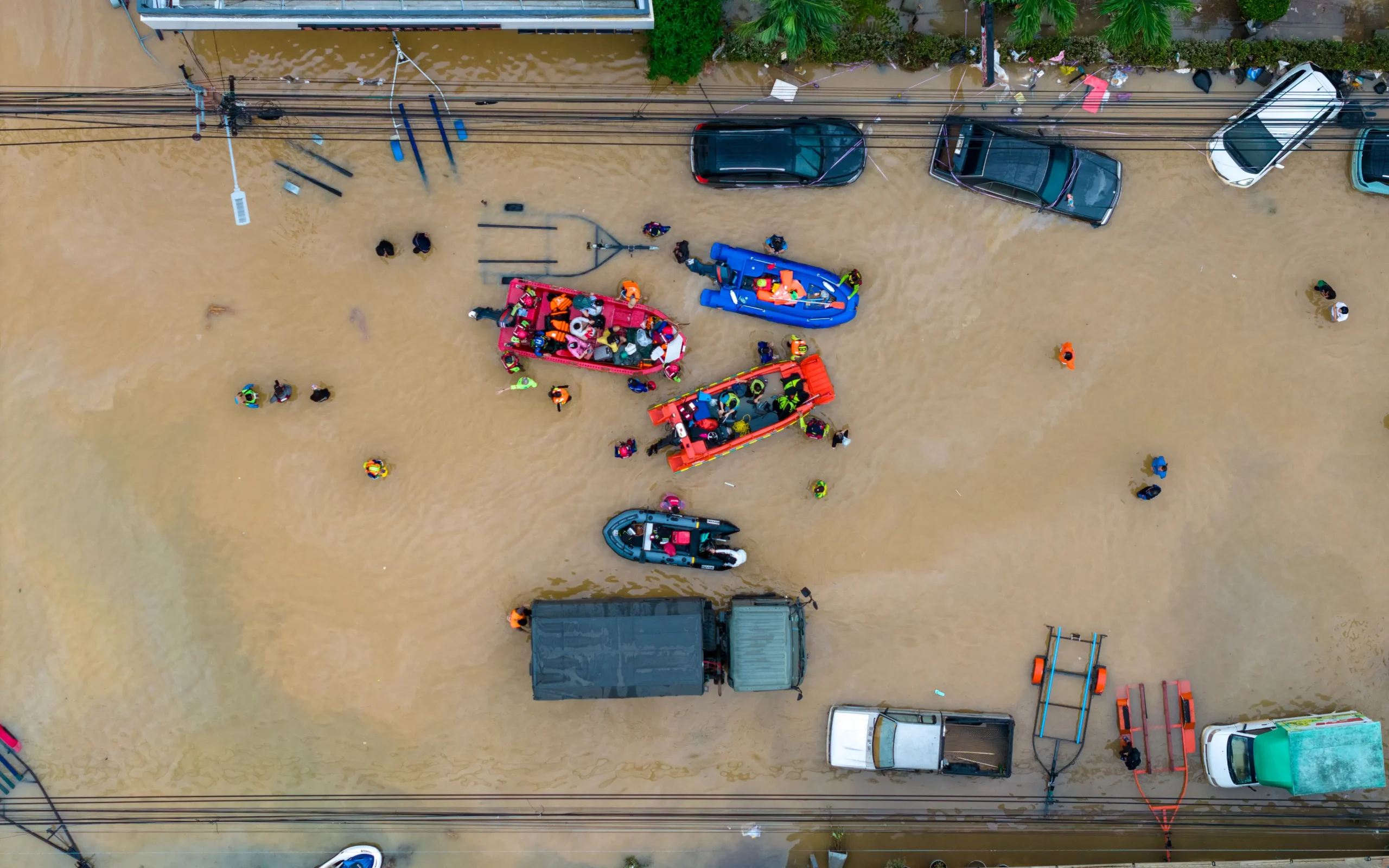
Climate change is altering the frequency, intensity and spatial distribution of extreme events, including heatwaves, droughts, floods, wildfires and storms, with growing impacts on societies, ecosystems and infrastructure. Compound and cascading events can amplify risks across regions and sectors, challenging existing disaster risk management and adaptation capacities. The European Climate Risk Assessment (EUCRA) identifies 36 major climate risks facing Europe, including risks to food and water security, ecosystems, infrastructure and human health.
Understanding the physical drivers of extreme events, their interactions and evolving impacts is critical for anticipating future risks and strengthening resilience. Integrating satellite Earth observation, in-situ measurements, Earth system modelling and artificial intelligence can improve the monitoring, attribution and prediction of extremes, as well as the assessment of exposure, vulnerability and adaptation options. This knowledge supports the EU Strategy on Adaptation to Climate Change, EU Mission on Adaptation to Climate Change, the Union Civil Protection Mechanism and the Sendai Framework for Disaster Risk Reduction. The EU Mission aims to support at least 150 European regions and communities towards climate resilience by 2030, helping them understand climate risks, develop adaptation pathways and implement innovative solutions.
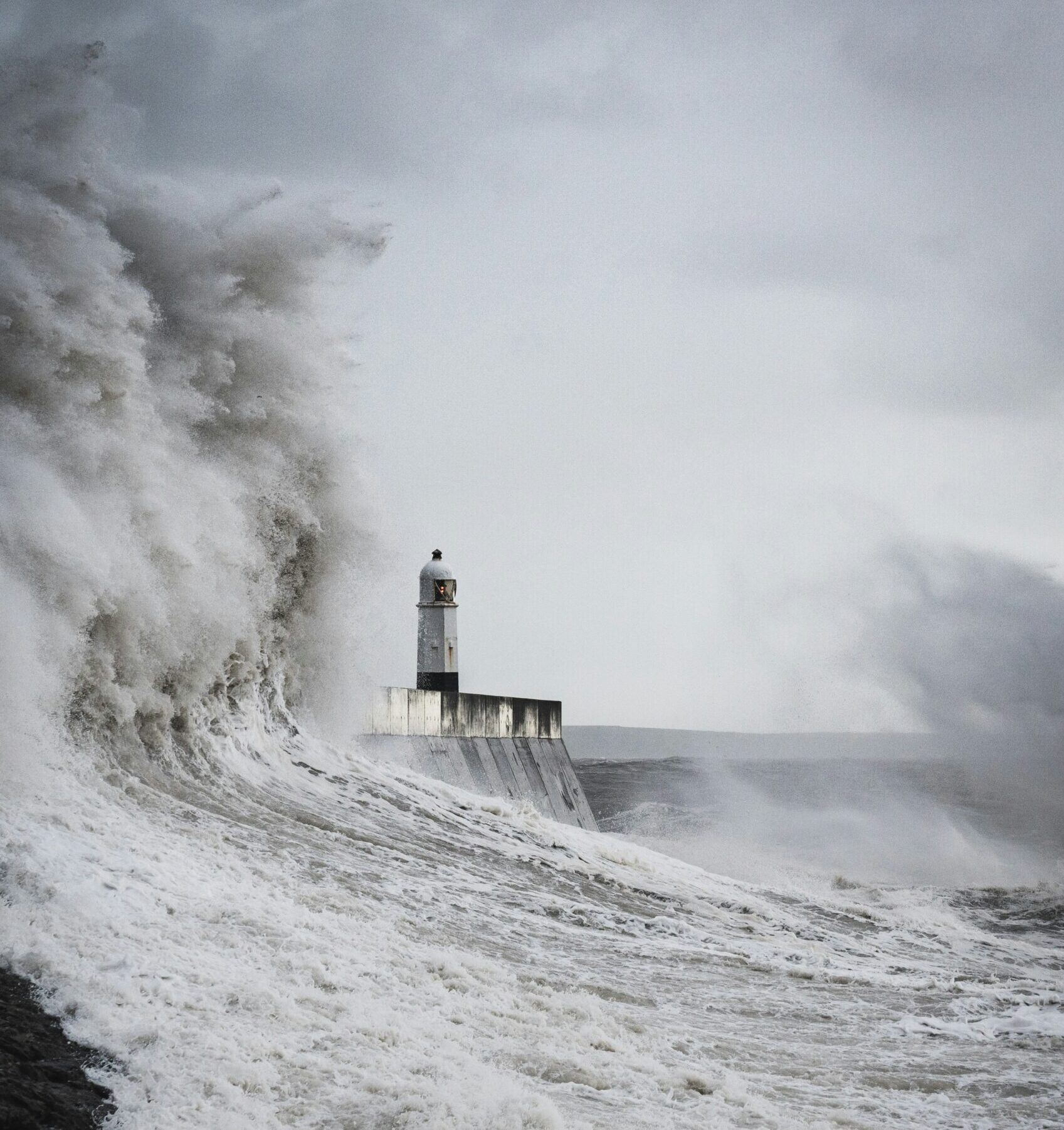
Key challenges

Potential future areas of EC-ESA scientific collaboration include:
- Contribute to develop the next generation of “fit for purpose” observation systems for climate extremes and their impacts, integrating satellite Earth observation, in-situ measurements and advanced data analytics to improve the detection, characterisation and monitoring of extreme events, soil moisture, water availability, ocean-atmosphere interactions, hazards and their impacts, leveraging ESA Earth Explorer missions such as SMOS, EarthCARE and Harmony, as well as innovative Scout missions such as HydroGNSS.
- Understanding extreme events, hydrological processes and compounding risks, including the drivers and interactions of floods, droughts, heatwaves, storms and ocean climate extremes, changes in the global water cycle, and cascading impacts on societies, ecosystems and infrastructure, supporting improved climate risk assessments and disaster risk reduction.
- Predicting extreme events and future climate risks, advancing Earth system models, climate projections, impact models and AI-based approaches to improve early warning, assess compound and cascading risks, and explore future climate and socio-economic scenarios across spatial and temporal scales.
- Strengthening climate adaptation and disaster resilience, translating scientific advances into actionable information for risk assessment, adaptation planning and the monitoring of adaptation effectiveness, including through nature-based solutions, supporting the EU Mission on Adaptation to Climate Change and the Sendai Framework for Disaster Risk Reduction.
ESA-EC contribution
This emerging EC–ESA flagship provides a framework for identifying potential scientific collaborations on climate extremes, disaster risks and climate adaptation.
Relevant ESA research is being advanced through the ESA Extremes and Disaster Science Cluster, including activities addressing hydrological and atmospheric extremes, compound hazards and disaster forecasting. Opportunities for closer links with EC research and policy priorities are being explored.
Further EC–ESA collaboration opportunities will be identified as the flagship develops.