Understanding polar change and global impacts
Changes in the Polar regions have global consequences for climate, oceans, ecosystems and human activities.
The Arctic is warming four times faster than the global average, while ice loss, permafrost thaw and changing polar oceans affect sea level, ocean circulation, weather, ecosystems and water resources. Nine core Earth-system tipping elements are anchored in cryosphere and marine systems, with several at risk around 1.5°C of warming.
Understanding these changes is critical for anticipating European and global risks. Polar tipping points, including the Atlantic Meridional Overturning Circulation (AMOC), can have irreversible and cascading impacts across the Earth system. Improved knowledge supports IPCC assessments, the Paris Agreement, the EU Climate Resilience and Risk Management integrated Framework, the EU Arctic Policy and European Ocean Pact.

Key challenges and future priorities

Leading a coordinated European contribution to the 5th International Polar Year (2032–2033), four priorities are emerging:
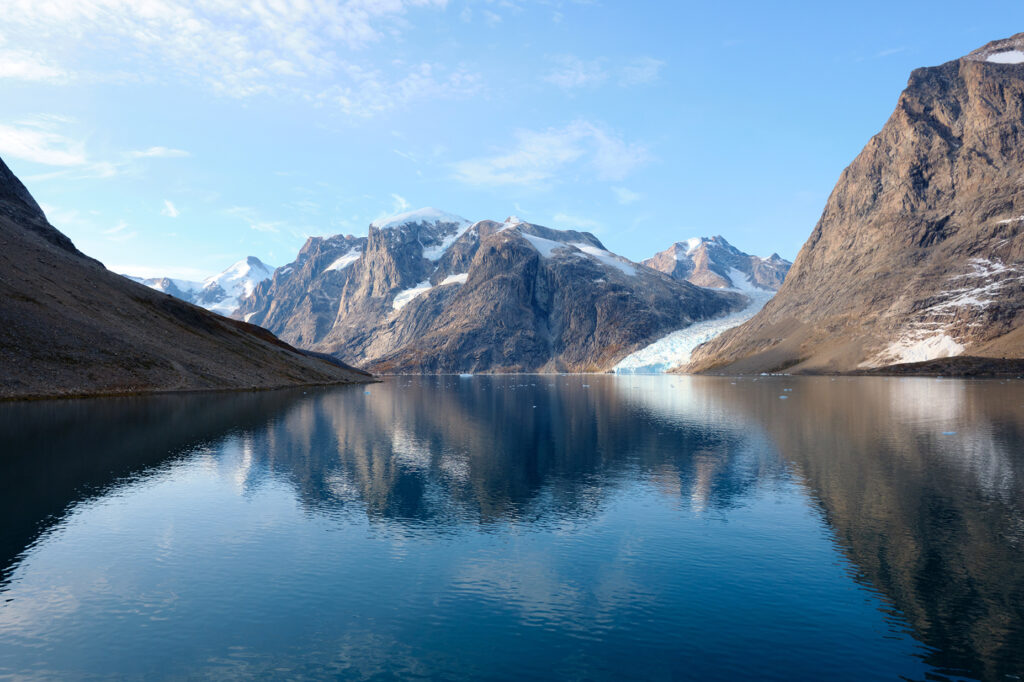
- Greenland: quantify freshwater discharge, its pathways to the ocean and impacts on sea level, ocean circulation, AMOC and ecosystems.
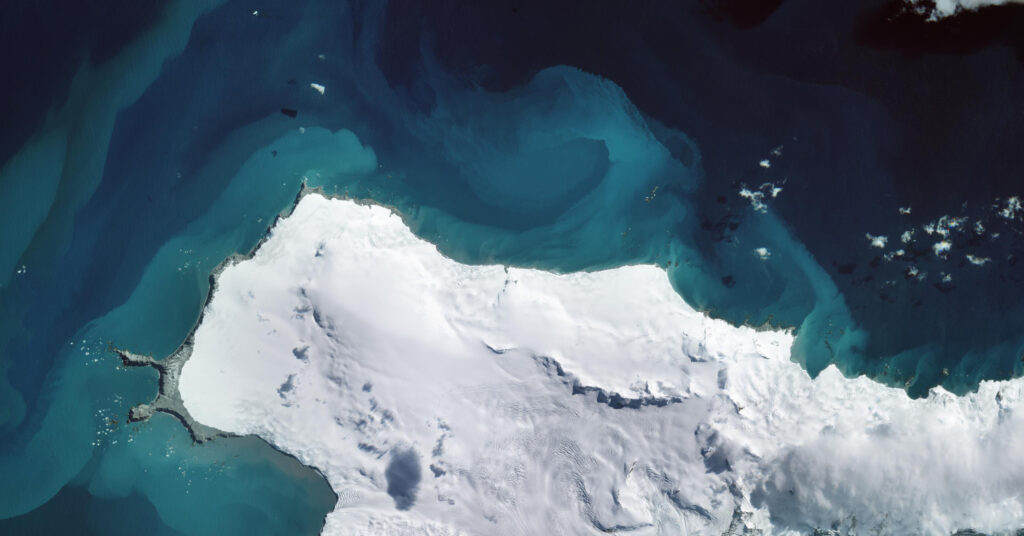
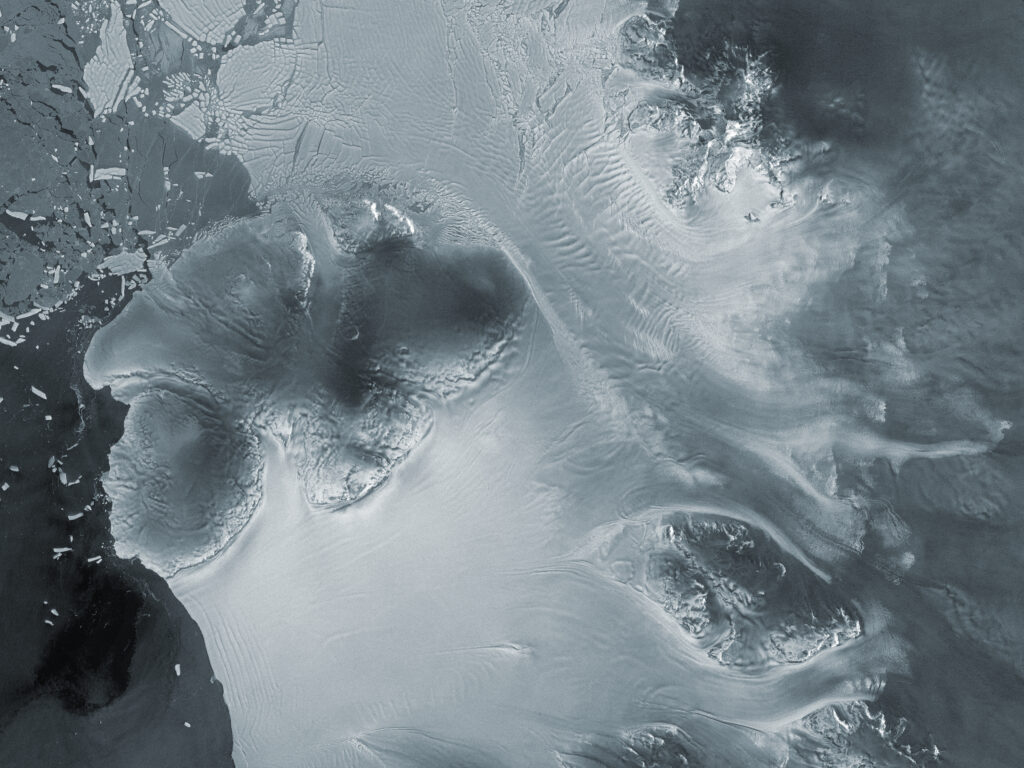
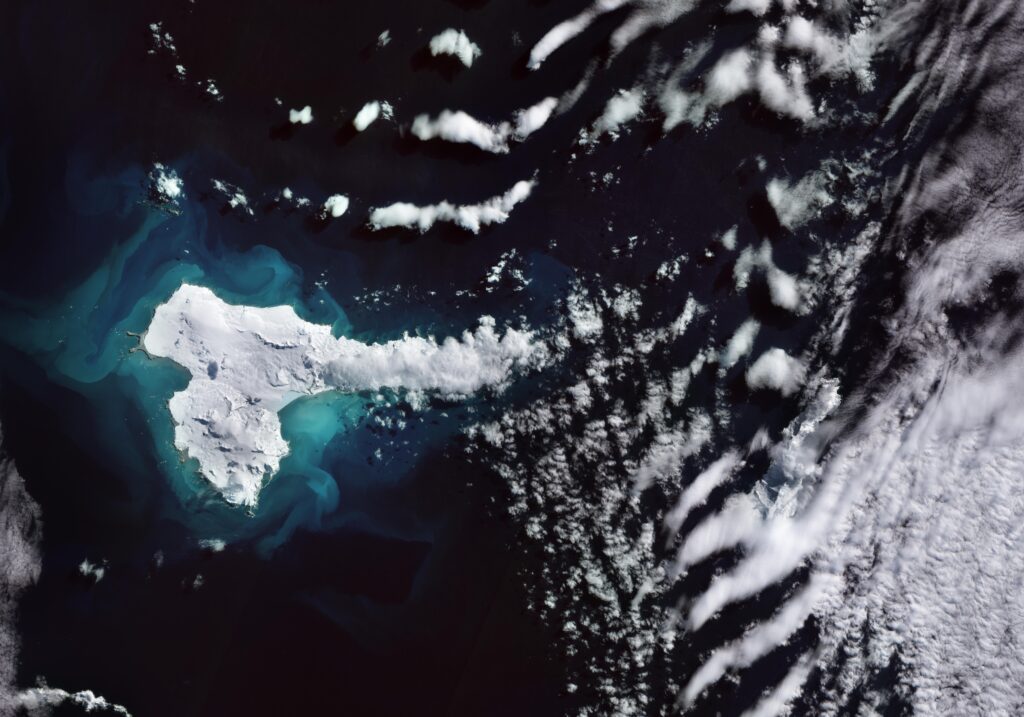
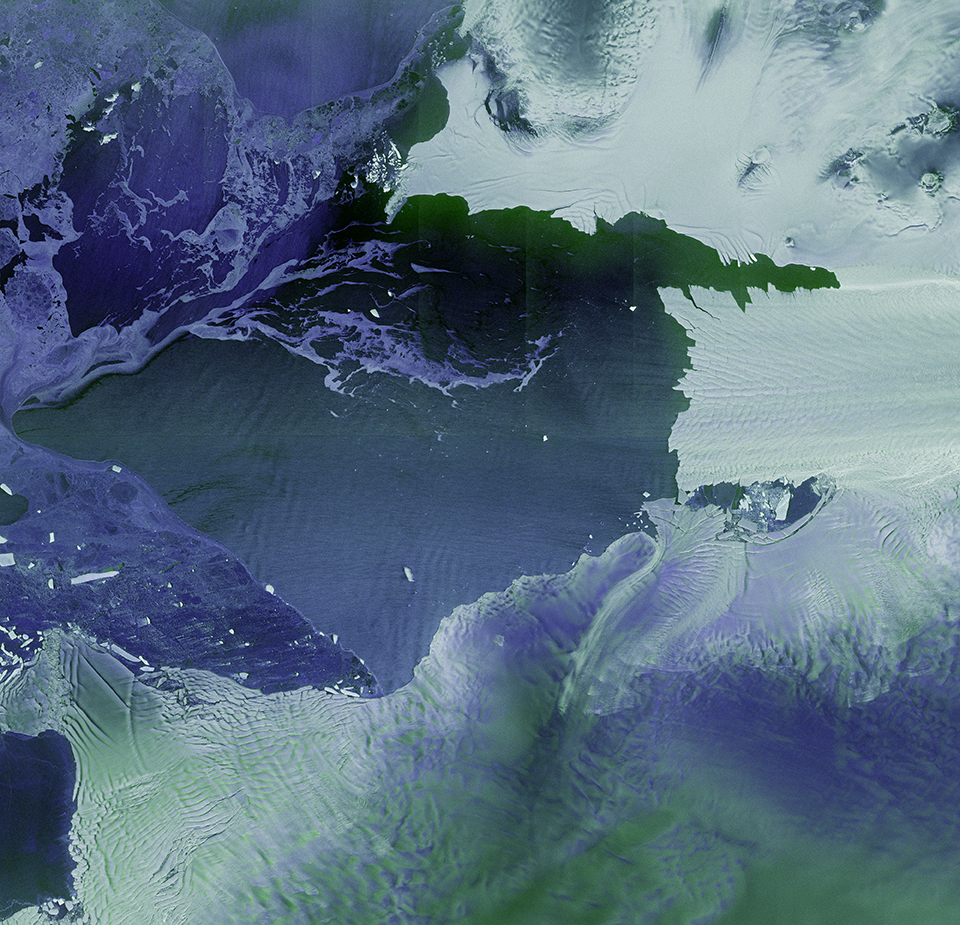
- Antarctica: constrain ice-sheet instability and ice–ocean–atmosphere interactions and their impacts on sea level, circulation and carbon cycling, supported by Antarctica InSync observations (2027–2030).
- Arctic new regime: through the Polar and Ocean Research programme, assess interacting changes across ocean, cryosphere, land and atmosphere and their global effects.
- Global glaciers: advancing high-resolution observations and modelling of glacier change to predict sea-level contribution and downstream water availability for ecosystems and societies.
EC-ESA contribution
The EC–ESA Flagship connects satellite environmental observations, polar field research and Earth-system modelling through the EU Polar Cluster and ESA Polar Science Cluster.
The Flagship established the European Polar Science Week, with the mandate of developing a common European polar research agenda. The 2024 edition convened over 400 scientists, policymakers and stakeholders, producing recommendations on scientific advances, research gaps and future priorities.
Building on this foundation, the Flagship is extending cooperation towards integrated Arctic and Antarctic observing systems, AMOC, Antarctica InSync, global glacier change and the next International Polar Year. New activities focus on combining satellite observations, geophysical modelling and in-situ monitoring of freshwater runoff from Greenland’s ice-free catchments, which can support local water-resource management. Additional new activities such as Space for AMOC aim to exploit satellite observations of sea-surface height, temperature, salinity, currents and ocean mass together with in-situ arrays, models and machine learning to better characterise AMOC variability, tightly linking to the Ocean Health Flagship.